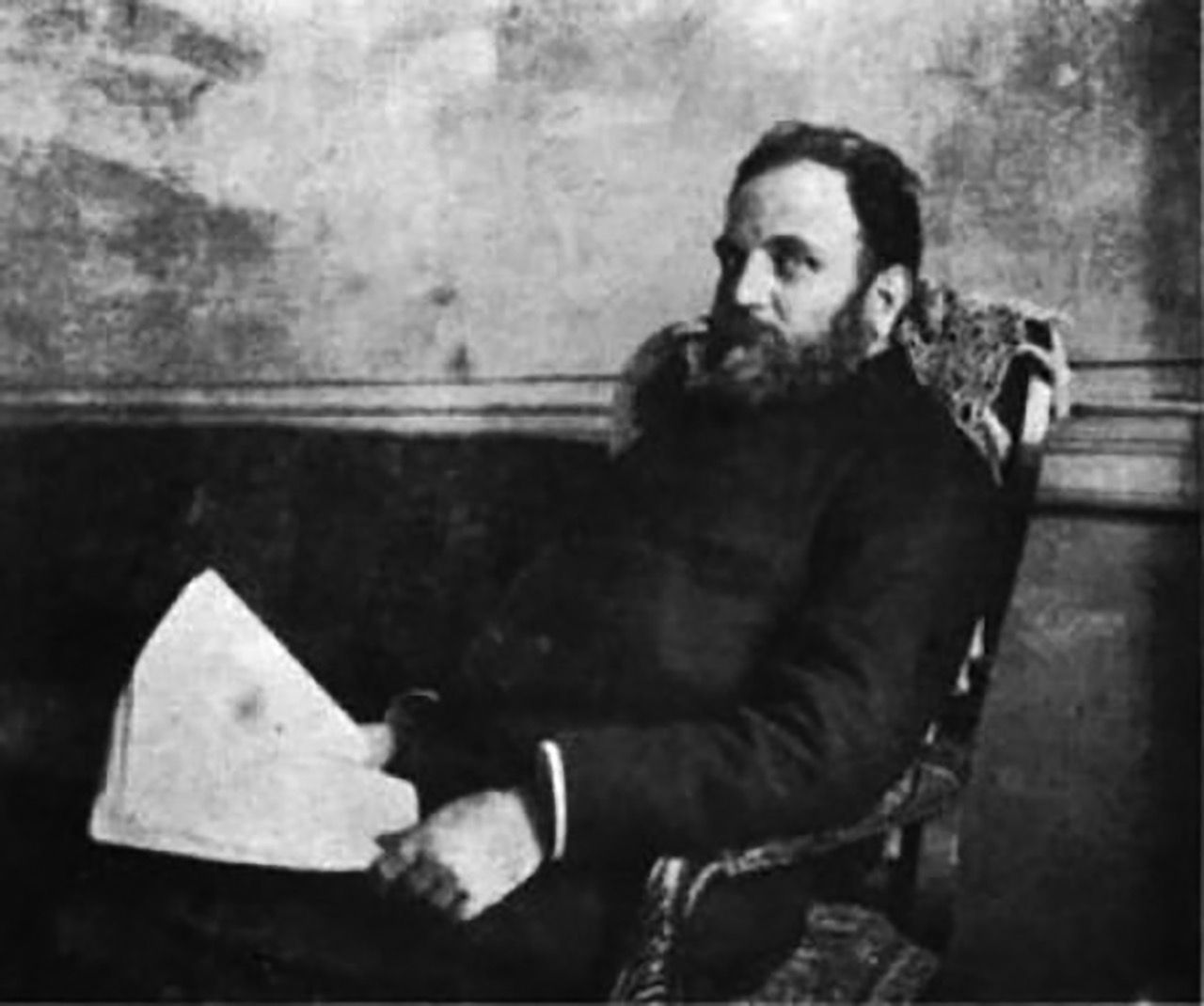


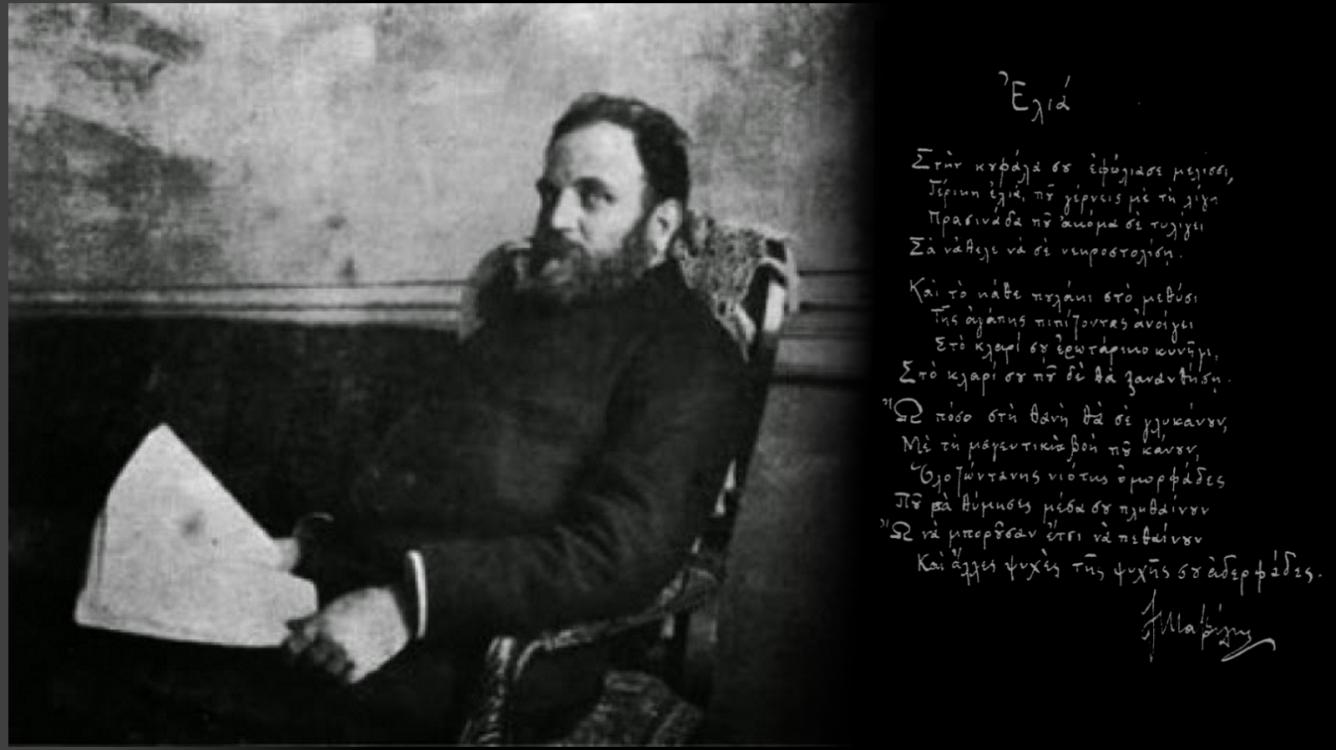
Lorentzos Mavilis, born on September 6, 1860, in Ithaca, stands as one of the most radiant figures of modern Greek letters and an emblematic personality in the nation’s recent history. A poet, patriot, philologist, translator and a man of unshakeable ideals, Mavilis lived in a way that justified every line he ever wrote: with integrity, truth, and unwavering devotion to freedom and human dignity.
A cultivated and inquisitive mind from an early age, he showed exceptional talent for languages and poetry. He studied philology and philosophy in Germany, forging a deep connection with European thought and literary tradition. Fluent in multiple languages and shaped by a classical education, he carried an acute humanistic sensibility that permeated all his work. Despite promising academic prospects abroad, Mavilis chose to return to the Ionian Islands and dedicate himself to Greece.
His poetry—concise, contemplative, and refined—bore the marks of symbolism and the European movements of his time, yet always remained unmistakably Greek in soul. He became best known for his exquisite sonnets, small poetic masterpieces that revealed both his precision of form and emotional depth. His verse was never excessive or ornamental; it was reflection, experience, the voice of a man who looked at the world with tenderness but also with a demand for the noble.
A characteristic line captures this essence:
“Only sorrow remains, though you fade away.”
A verse that mirrors the gentle melancholy and philosophical gaze with which he approached life.
A defining aspect of Mavilis’ personality was his passion for freedom and human dignity. He believed deeply in the moral duty of individuals to stand for what is right—not through impulsive nationalism but through a humane vision rooted in justice and ethical responsibility. Equally strong was his social sensitivity. He published essays, advocated for the use of the demotic Greek language, and participated actively in debates surrounding education and national identity.
Yet Mavilis was not only a man of letters. He was a man of action. When the First Balkan War broke out, at the age of 52, he volunteered to join the Garibaldian battalions. For him, participation in the struggle was not simply a patriotic obligation— it was the ultimate expression of his ideals. His comrades remembered him for his humility, courage, and moral clarity.
On November 28, 1912, at the battle of Bizani near Ioannina, Lorentzos Mavilis fell in combat. The news of his death reverberated throughout Greece. A poet who wrote about the beauty of life ultimately gave his own life for the ideal he considered supreme. His sacrifice sealed his legend, yet it is his work that keeps his voice alive.
Mavilis’ legacy is twofold. On one hand, there is the poetic legacy: sonnets that are among the finest achievements of modern Greek literature. On the other, there is the ethical and historical legacy of a man who lived without compromise. His poetry does not shout; it whispers something deeper—faith in the human capacity to strive for what is noble, even when the price is high.
Lorentzos Mavilis belongs to that rare category of individuals who transformed their words into action. A poet who wrote with his hand but signed with his life. A Greek who left behind a body of work modest in quantity but immense in value—and a story that continues to inspire all those who seek what is beautiful, courageous, and true.