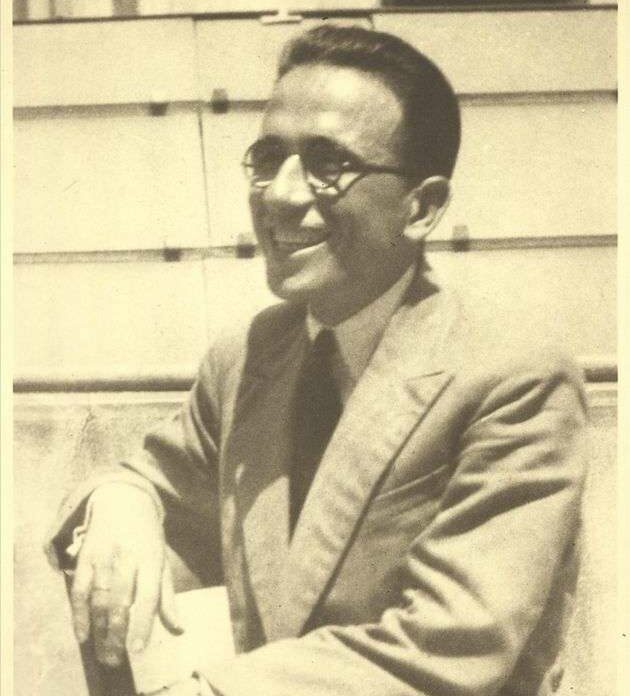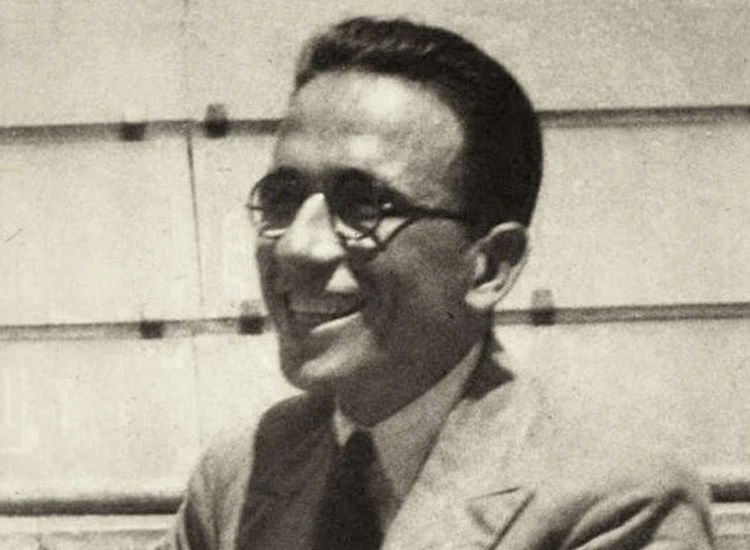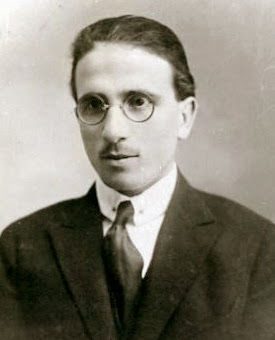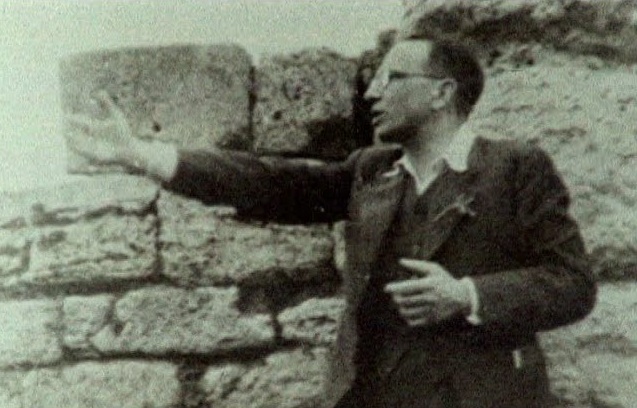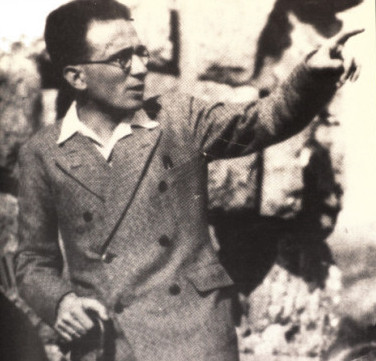


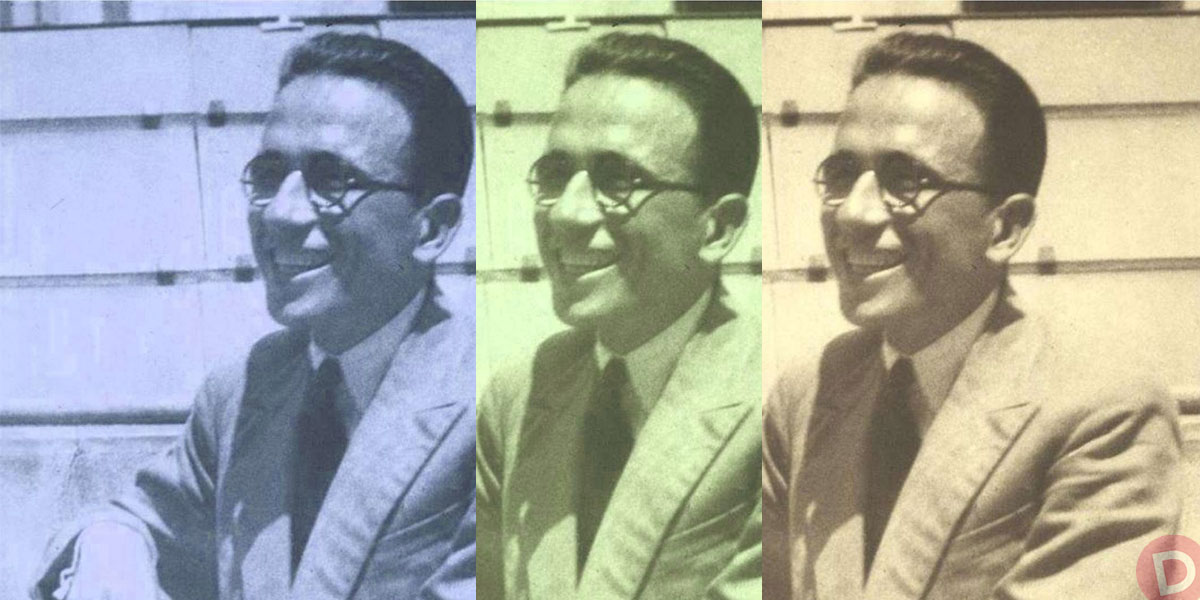
Ioannis Sykoutris, born on this day in Smyrna in 1901, was one of the most gifted and intellectually vibrant figures of modern Greek letters. From a very young age, he displayed remarkable maturity, a sharp mind, and a deep love for ancient Greek literature. Growing up in a modest family with strong values, he attended the Evangelical School of Smyrna, where he quickly stood out for his dedication, linguistic brilliance and insatiable thirst for learning. The destruction of Smyrna in 1922 would change his world forever, yet his unwavering faith in the power of education remained intact.
After moving to Athens, he studied at the Faculty of Philosophy of the University of Athens, graduating with outstanding academic performance. Greece in the interwar period was a country searching for identity, while classical literature sought new voices to bring it back to life. Sykoutris represented exactly that generation of scholars who aimed to reconnect ancient Greek thought with the present—not as a relic of the past, but as a living source of philosophy and reflection.
With scholarships and relentless effort, he continued his studies in Germany, at universities such as Leipzig and Berlin, where he was exposed to leading philologists and the most innovative European schools of thought. It was during those years that he shaped his critical lens, his respect for scientific accuracy, and his desire to renew Greek academic life, which often remained trapped in rigid traditionalism.
Upon returning to Greece, he taught at the Arsakeion and later at the University of Athens, where his teaching quickly became legendary. He was not the typical academic; he was an inspired educator who transformed the classroom into a space of creative thinking. His students recalled the passion and intensity he brought to the texts, making ancient Greek literature feel strikingly modern—alive, provocative, and profoundly relevant.
His most significant contribution was his involvement in the “Hellenic Library” of the Academy of Athens, a landmark publishing project aiming to offer scientifically rigorous and linguistically accessible editions of ancient Greek works. In 1934, he published Plato’s Symposium, a bold editorial feat that introduced a fresh and courageous interpretation of the Platonic dialogue. The work sparked controversy among conservatives of the time, yet it marked a turning point in the Greek study of Plato.
Despite the intense criticism he faced, Sykoutris’ scholarship gained recognition from prominent scholars in Greece and abroad. His writing was distinguished by clarity, balance, and scientific consistency, blended with a poetic command of language reserved for the deeply cultivated. Shortly before his death, he completed his edition of Aristotle’s Poetics, published in 1937 and still considered one of the most important Greek editions of the text.
Sykoutris was a man of profound sensitivity, introspection, and moral rigor. One of his most characteristic lines reads:
“The life of a heroic man cannot but be short… however many the years, they will always be few compared to the fullness of his vitality.”
The phrase reads almost like a premonition of his own fate.
In 1937, at the age of just 36, Sykoutris took his own life. The reasons behind his decision remain the subject of discussion, yet what remains unquestioned is the weight he carried as a public intellectual in a turbulent era. His acute sensitivity, sense of duty, and the pressures of a conservative society seem to have contributed to his final act.
His legacy, however, is enduring and deeply influential. Sykoutris revitalized classical studies in Greece and opened academic paths that remain innovative even today. He demonstrated that ancient Greek literature can be both faithful to the past and alive in the present; that a scholar must be courageous; and that the pursuit of truth is an almost moral endeavor.
On this day, we remember a brilliant mind who shone intensely, even if briefly, leaving behind work that continues to inspire. A philologist who refused to simply preserve what he inherited, but instead sought passionately to offer something new to the world — and that is precisely what makes him timeless.