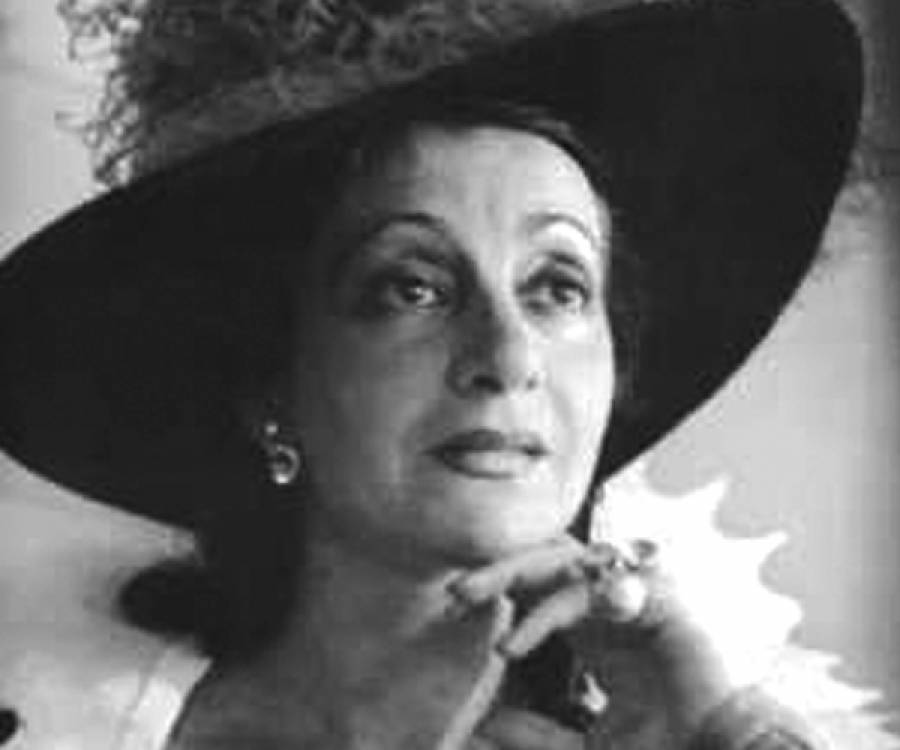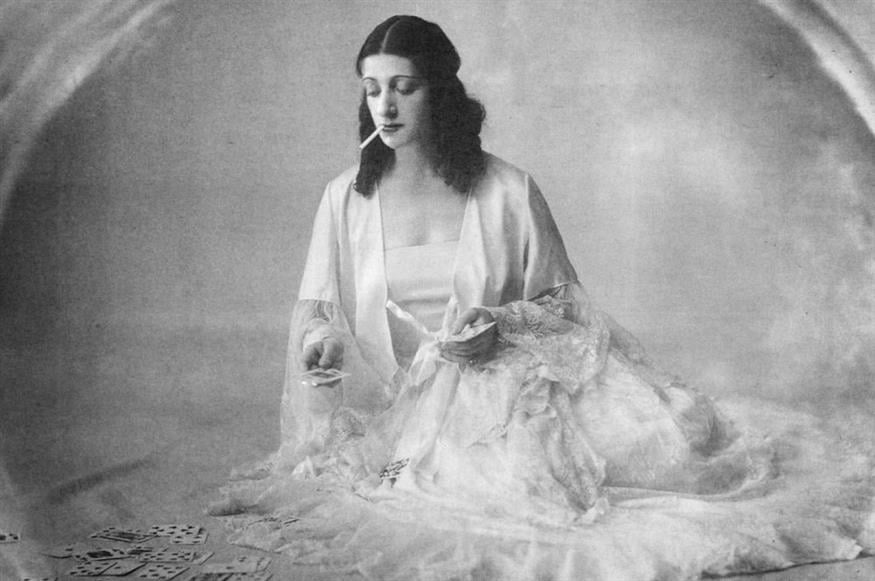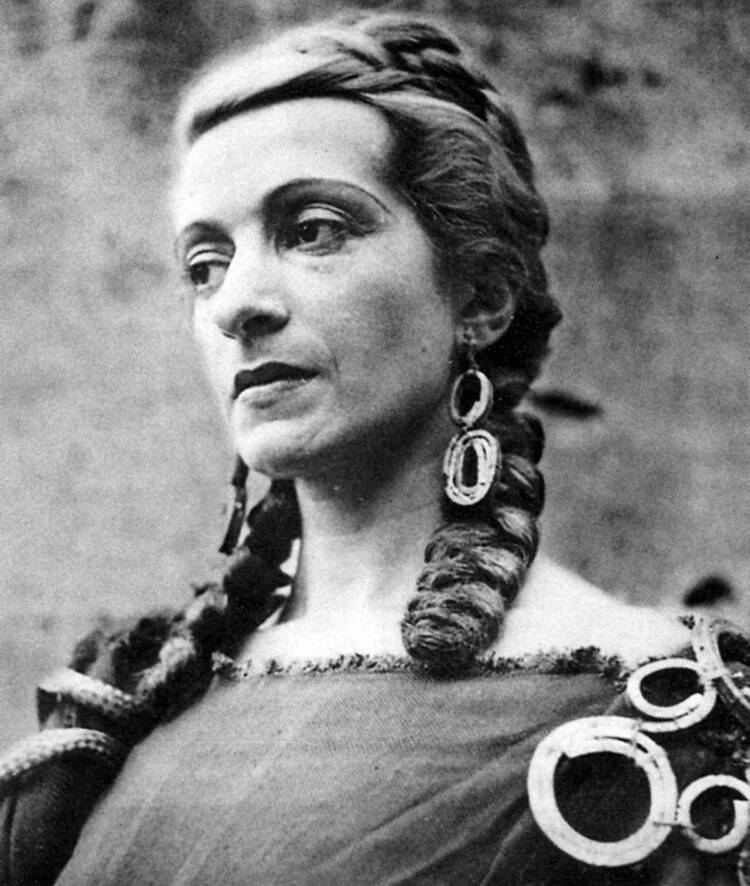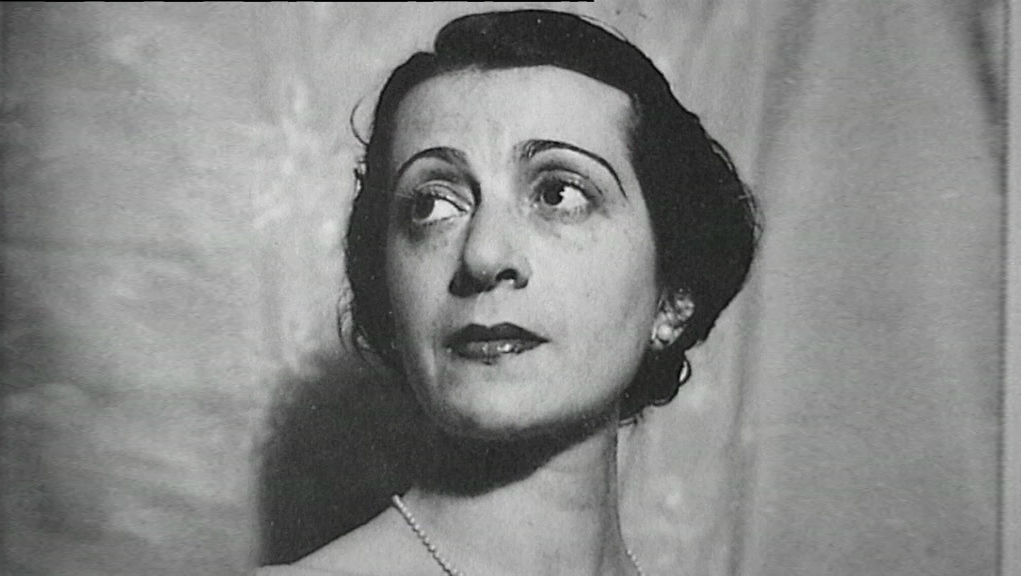


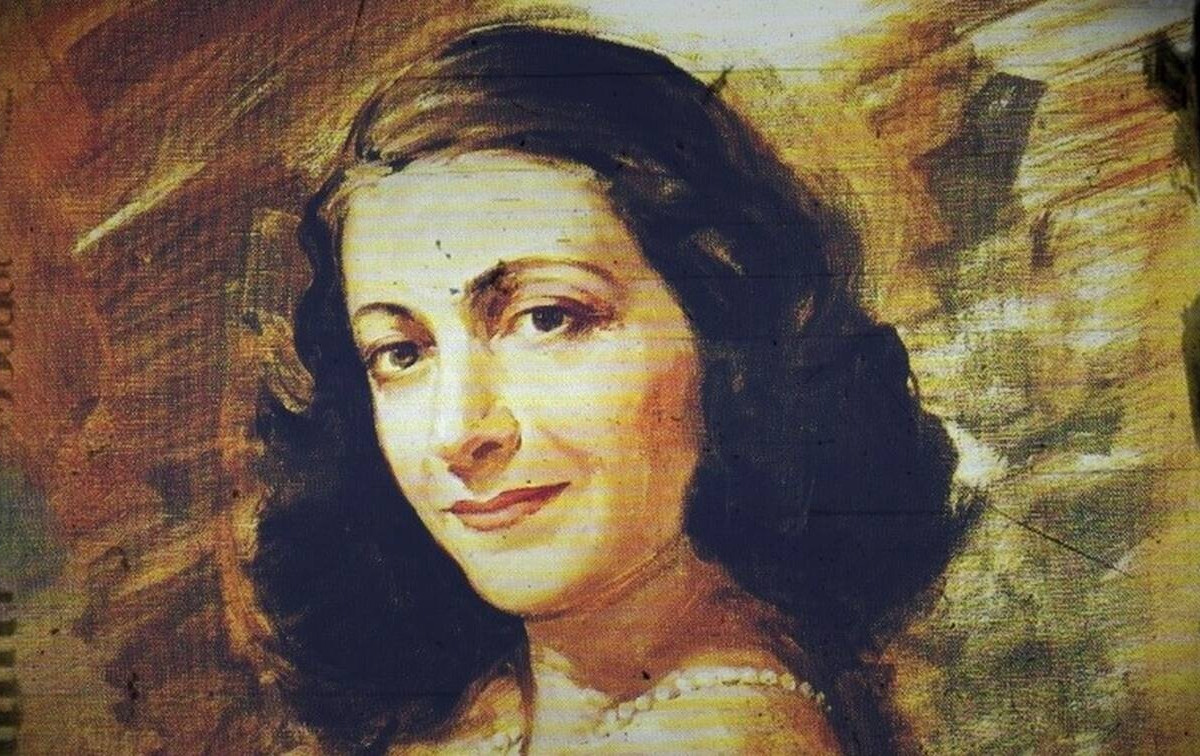
Eleni Papadaki was one of the most important figures in Greek theatre in the 20th century. An actress of exceptional intellectual depth, strict discipline, and profound inner strength, she left a lasting mark on ancient drama and classical repertoire. At the same time, her life and violent death turned her into one of the most tragic symbols of modern Greek history.
From Alexandria to the Athenian stage
Born in 1904 in Alexandria, Egypt, during a period when the Greek diaspora was flourishing culturally, Eleni Papadaki grew up in an environment rich in education and artistic stimuli. From an early age, she showed a strong inclination toward theatre and made a conscious decision to pursue acting as her life’s path.
Her move to Athens and her admission to the National Theatre Of Greece marked a decisive turning point in her career. At a time when Greek theatre was being institutionally and aesthetically shaped, Papadaki quickly stood out for her distinctive presence. She did not rely on external expressiveness or rhetorical excess, but on an inward, almost ascetic approach to performance.
The interpreter of ancient tragedy
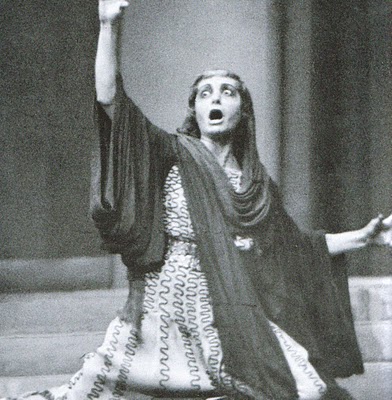
Papadaki became closely associated with ancient Greek drama. She portrayed demanding roles that required emotional endurance, vocal power, and deep understanding of tragic destiny, including Medea, Clytemnestra, Hecuba, and Antigone. Her performances were marked by restraint, severity, and intense inner tension—qualities considered bold and innovative for their time.
She approached tragic heroines not as idealized symbols, but as deeply human figures, shaped by passion, conflict, and silence. This perspective profoundly influenced the evolution of Greek theatrical aesthetics and opened the way for a more modern interpretation of ancient texts.
A demanding and uncompromising artist
Behind the scenes, Eleni Papadaki was known for her strictness and high standards. She demanded excellence from herself and expected the same from her collaborators. She was not interested in popularity or social appearances; her primary concern was artistic quality and intellectual consistency.
This attitude earned her great respect, but also created resentment. In an era marked by intense social and political tensions, her reserved and aristocratic demeanor was often misinterpreted.
December 1944 – Tragedy beyond the stage
The darkest chapter of her life was written in December 1944, during the violent turmoil of the December Events in Athens. In a climate of fear, division, and unchecked accusations, Eleni Papadaki became the target of rumors and allegations that were never substantiated.
On December 21, 1944, she was executed at the ULEN refinery area, at the age of just 40. Her death shocked the artistic community and remains one of the most harrowing moments in modern Greek cultural history.
Legacy and posthumous vindication
In the years that followed, the case of Eleni Papadaki became the subject of historical reflection and ethical reassessment. Gradually, the injustice she suffered was acknowledged, and her memory was restored by both the State and the theatrical world. Her name returned to public consciousness not as a subject of rumor, but as a symbol of artistic integrity and tragic fate.
Papadaki did not live to grow old on stage. Yet she lived long enough to embody the very essence of tragedy—not only as an art form, but as a human experience.
Eleni Papadaki remains an enduring figure in Greek culture: an actress who served theatre with absolute devotion and ultimately became a tragic figure of History itself.